Stop Flooding Before It Starts
Schedule Drainage Solutions in Union
When heavy rain turns your yard into a swamp, you need drainage systems that work with Union's clay soils and steep terrain. K H Custom installs French drains, downspout extensions, grading corrections, culvert systems, and water diversion structures that prevent pooling and protect your foundation from moisture damage.
Each installation combines excavation precision with waterproofing methods tailored to Northern Kentucky's unpredictable weather patterns. You'll see long-lasting materials placed exactly where water accumulates, whether that's near your home's perimeter, along sloped driveways, or in low-lying sections of your property. Grading corrections redirect runoff before it reaches vulnerable areas, while culvert installs manage larger volumes during storm events.
Request a free assessment today and get custom drainage solutions in Union that end yard flooding for good.
What to Expect When You Book
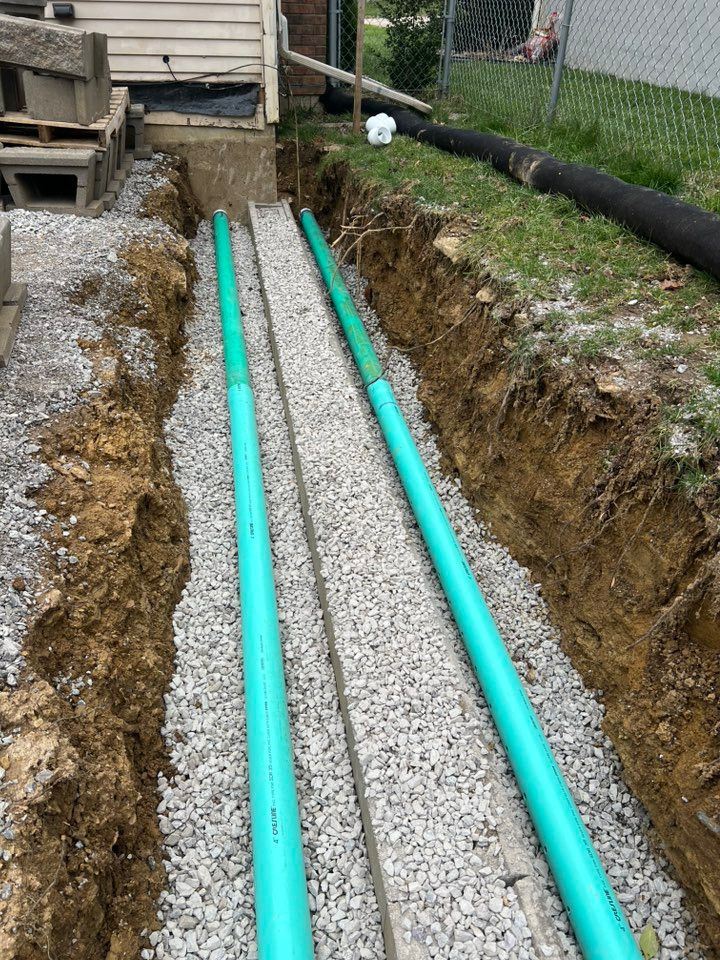
Your drainage project begins with a site evaluation that identifies water flow patterns, soil composition, and existing grade issues. You'll walk through the areas where water collects, and the team maps out the best placement for drains, extensions, and diversion channels based on Union's topography and your property's unique layout.
K H Custom uses proven installation methods that combine trenching, pipe routing, and backfill techniques designed for clay-heavy soil. Emergency drainage issues receive 24/7 response for urgent flooding or erosion problems. You'll receive clear timelines, material specifications, and a detailed plan before any excavation begins.
The installation process includes setting drainage tiles, connecting downspout lines to underground systems, and adjusting surface grades to direct water away from structures. Each component is tested under simulated rainfall conditions to confirm proper function, and final grading ensures smooth transitions that blend with your existing landscape.
How Our Process Works
Homeowners and property managers often have similar concerns about drainage projects, especially when dealing with persistent water issues or planning new construction in flood-prone areas.
Whether you're dealing with seasonal flooding or planning long-term property improvements, a custom drainage system protects your investment and keeps outdoor spaces usable year-round. Secure your free consultation now and stop water damage before it compromises your foundation or landscape.